Omakase Robotics
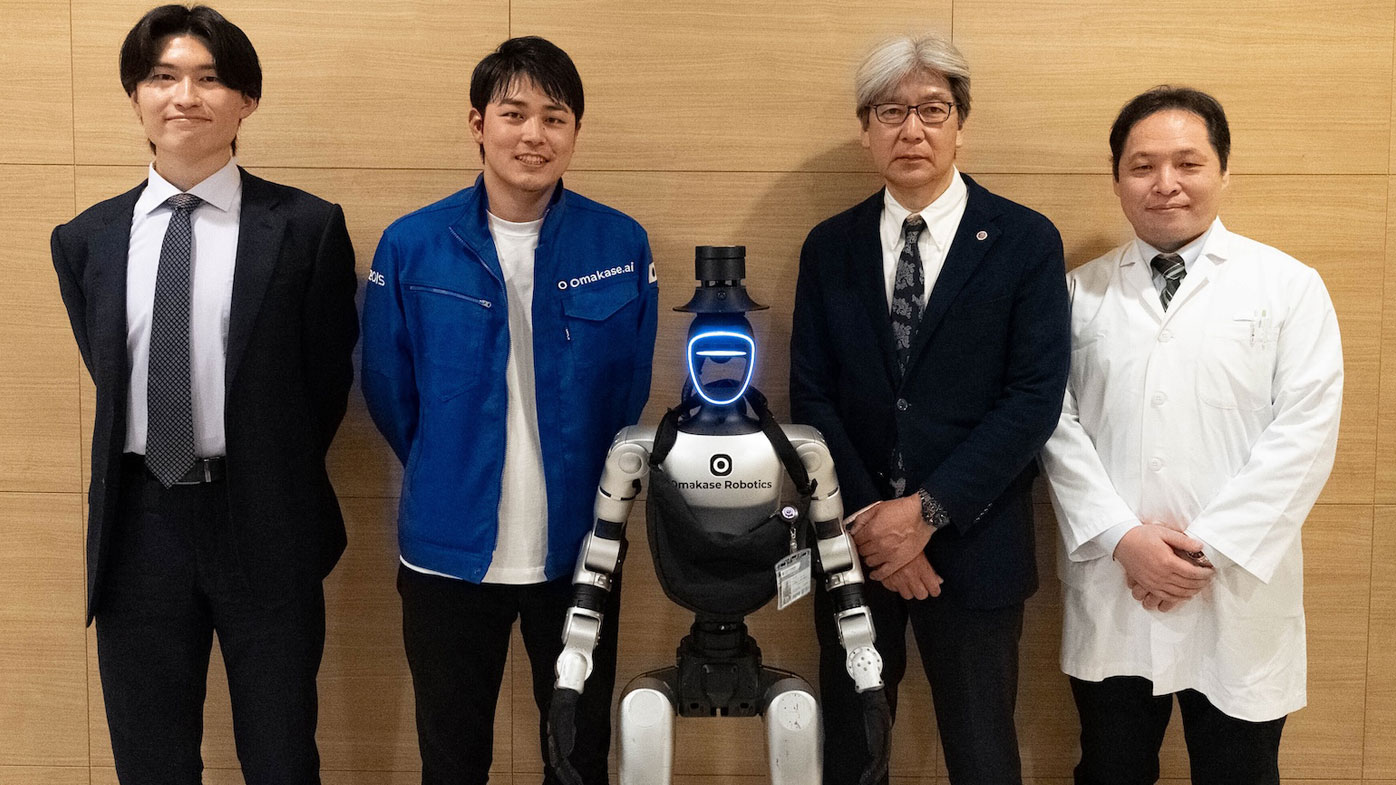
Omakase Robotics and Quick completed a successful test of a Unitree G1 humanoid, powered by the Omakase OS, at University of Tsukuba Hospital.
Get news, papers, media and research delivered. Sign up for our free newsletters.
Stay up-to-date with news and resources you need to do your job. Research industry trends, compare companies and get weekly market intelligence with Robotics 24/7.
Omakase Robotics
Omakase Robotics and Quick completed a successful test of a Unitree G1 humanoid, powered by the Omakase OS, at University of Tsukuba Hospital.
ZEALS, the developer of Omakase Robotics, in collaboration with Quick, a University of Tsukuba-born venture, said that they have successfully conducted a three-day demonstration experiment using the Unitree G1 humanoid robot at the University of Tsukuba Hospital.
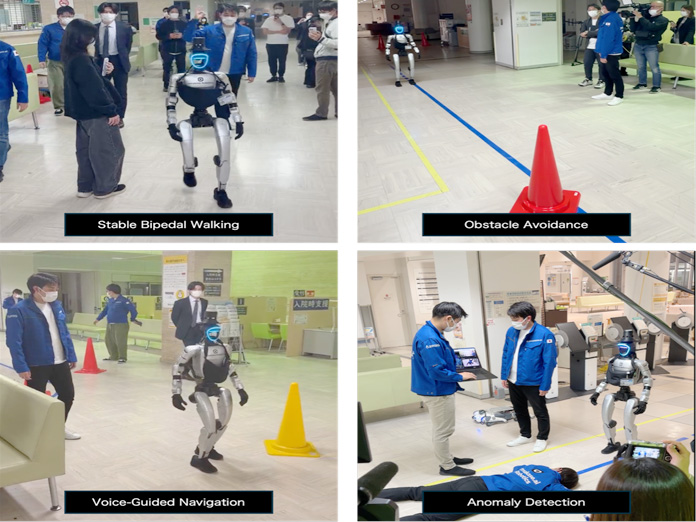
Equipped with ZEALS' proprietary robotics operating system Omakase OS, the humanoid robot was tested on its ability to perform autonomous walking, obstacle avoidance, voice-guided navigation, delivery tasks and other support functions within the hospital.
The organizations said that the successful completion of all key demonstration objectives marks a significant milestone toward the practical implementation of humanoid robots in future medical settings.
ZEALS and Quick said that the medical field faces chronic labor shortages. Beyond specialized clinical duties, the companies said that healthcare professionals are burdened by indirect tasks such as facility patrol, patient navigation and logistics.
To maintain the quality of care, it is becoming essential to support these indirect tasks through technology, allowing medical professionals to focus on human-centric patient care.
This collaboration combined Quick's understanding of medical site challenges with ZEALS' experience in conversational AI and Omakase OS, an intelligence layer designed to enable robots to understand context and behave appropriately within human spaces.
The experiment took place in the first-floor lobby of the University of Tsukuba Hospital after outpatient hours.
Key testing areas included:
On the final day of the test, Dr. Yuji Hiramatsu, director of the University of Tsukuba Hospital, and Dr. Kiyotaka Nemoto, assistant director, observed the demonstrations and provided feedback from a clinical perspective.
Despite minor technical issues, such as a temporary power interruption to the speakers, ZEALS and Quick said that the robot completed all planned test items.
The companies said that the hospital staff expressed high praise for the smoothness of the robot's movement and interaction. The parties also discussed expanding use cases to other indirect medical tasks based on real-world needs identified during the trial.
GENISOM AI makes ICRA debut at conference in Vienna
World's first omni-modal evaluation including tactile sensing for…

Ultrasonic sensing enhances robotics perception

North America’s largest automation and robotics event takes place June 22-25